PT-141 Injection

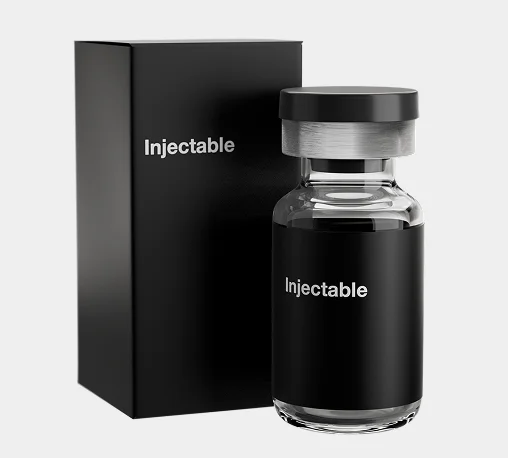

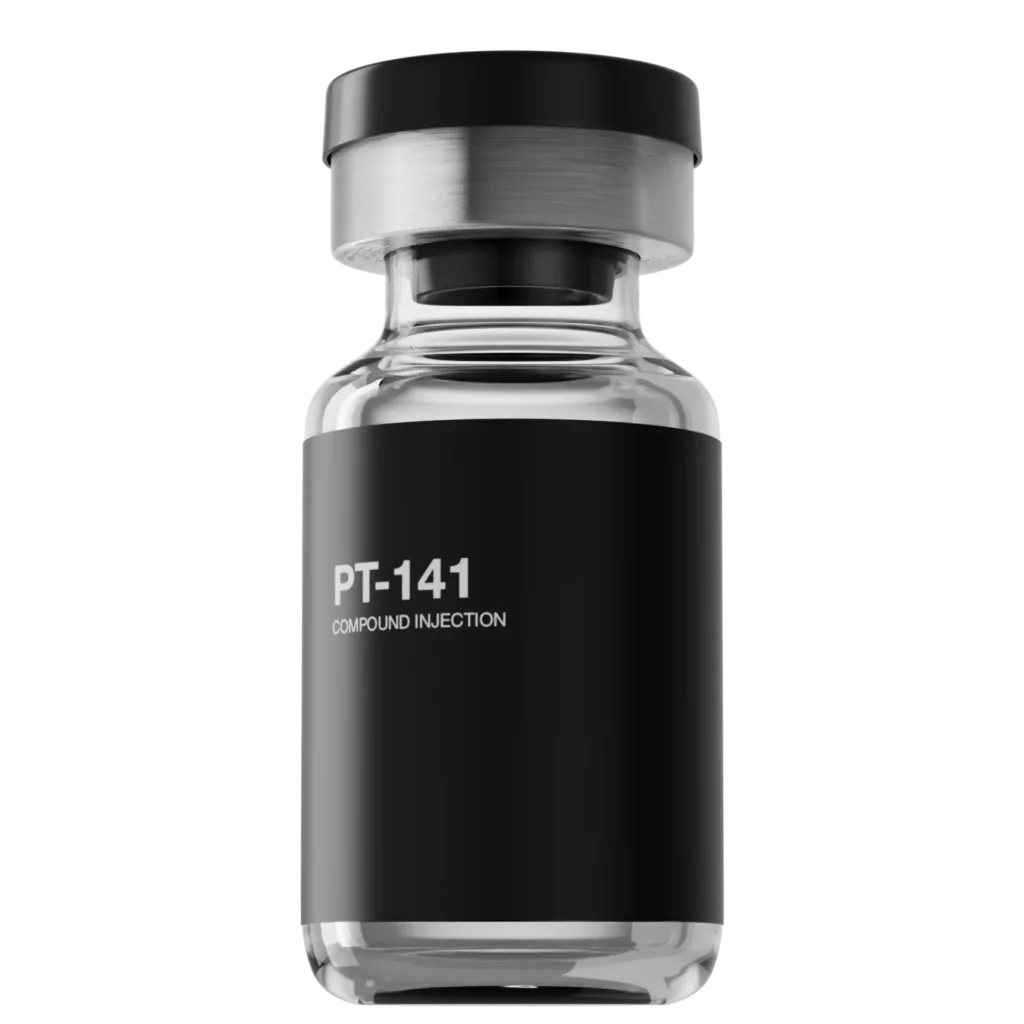
PT-141 Injection
PT-141 is designed to support sexual desire and arousal.
Libido
Mood
Melanin

Medical Approval Required: A provider will review your intake immediately after checkout. A pre-authorisation hold is placed on your payment method at checkout; if you are not approved, the hold is released and no payment is taken.
Benefits
Highlights
- FrontCare is available in all 50 states except Alabama, Mississippi and Alaska.
Some treatments have additional state restrictions, which are shown on the product page.
Your provider consultation is done by written review or video with your provider. Some medications require a live video consultation with your provider rather than a written review. If that applies to you, you will be guided after checkout. - No hidden membership, consultation, or shipping fees
- A licensed doctor will determine your final dosing schedule after your consultation
- Although our partner pharmacies use only FDA-approved ingredients that are pharmaceutical-grade and highly regulated, compounded prescriptions are not FDA approved
Potential Benefits
Central Nervous System Activity
PT-141 acts on melanocortin receptors in the central nervous system and is involved in neurological pathways related to sexual response.
Sexual Function–Related Processes
PT-141 is associated with physiological processes involved in sexual desire and arousal under medical supervision.
Non-Vascular Mechanism
Unlike medications that primarily affect blood flow, PT-141 works through central neurological pathways rather than vascular mechanisms.
Adjunct or Alternative Consideration
PT-141 may be prescribed when clinically appropriate based on individual evaluation and treatment history, as determined by a licensed healthcare provider.
Medically Supervised Use
Use of PT-141 is based on individual clinical assessment and requires ongoing medical oversight.
Subscription Plan
- Monthly Billing or Every 2 Months
Order Fulfillment
Disclaimer
This product is prescribed by a licensed healthcare provider based on individual needs. Neither this product nor these statements have been evaluated or approved by the Food and Drug Administration (FDA). Compounded medications are not FDA-approved, and their safety and effectiveness have not been independently verified by the FDA. This product is not intended to diagnose, treat, cure, or prevent any disease. The information provided is for educational purposes only and should not be considered medical advice.
Expand the questions below
Frequently Asked Questions
What is PT-141?
PT-141 is a prescription medication that may be prescribed by a licensed healthcare provider as part of an individualized sexual health treatment plan. It acts on melanocortin receptors in the central nervous system and is used under medical supervision when clinically appropriate.
How does PT-141 work?
PT-141 affects central neurological pathways involved in sexual response. Unlike medications that primarily affect blood flow, its mechanism involves activity within the central nervous system
Who may be considered for PT-141
Eligibility for PT-141 is determined by a licensed healthcare provider based on medical history, clinical evaluation, and individual treatment considerations.
How is PT-141 administered?
PT-141 is administered by injection. The method of administration and treatment plan are determined by the prescribing healthcare provider, and specific instructions are provided as part of individualized care.
How is treatment monitored?
Patients receiving PT-141 require medical oversight. Follow-up and monitoring are determined by the prescribing healthcare provider to assess safety and appropriateness of continued use.
Are there potential risks or side effects
As with any prescription medication, PT-141 may be associated with risks or side effects. These are reviewed by the prescribing healthcare provider prior to treatment, and patients should report any concerns during therapy.
Can PT-141 be used with other medications?
All current medications and supplements should be disclosed during intake. A licensed healthcare provider will determine whether PT-141 is appropriate in combination with other treatments.
Should I inform my primary care provider?
Patients are encouraged to inform their primary care provider of any prescription sexual-health therapy to support coordinated and safe care.