Biotin Tablets

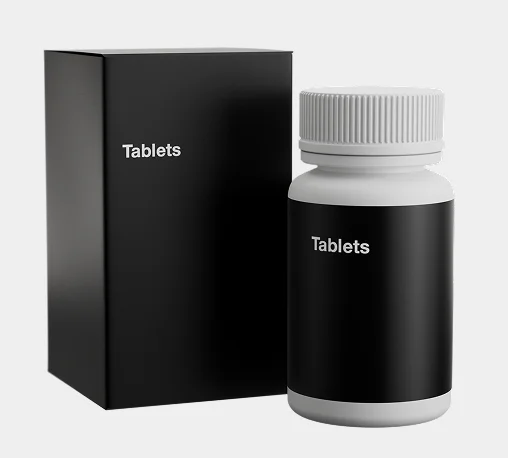

Biotin Tablets
Biotin Tablets help support stronger, healthier-looking hair by promoting keratin production from within. This daily supplement is commonly used to improve hair strength, thickness, and overall hair health.
Strength
Thickness
Growth

Medical Approval Required: A provider will review your intake immediately after checkout. A pre-authorisation hold is placed on your payment method at checkout; if you are not approved, the hold is released and no payment is taken.
Benefits
Highlights
- FrontCare is available in all 50 states except Alabama, Mississippi and Alaska.
Some treatments have additional state restrictions, which are shown on the product page.
Your provider consultation is done by written review or video with your provider. Some medications require a live video consultation with your provider rather than a written review. If that applies to you, you will be guided after checkout. - Oral Hair Health Supplement – Easy daily tablet
Supports hair, skin, and nail health - No hidden membership, consultation, or shipping fees
- A licensed healthcare practitioner in your state will review your assessment and determine eligibility
Potential Benefits
Keratin-Related Support
Biotin is involved in keratin production, a structural protein found in hair and nails, and supports normal physiological processes related to keratin synthesis.
Hair, Skin & Nail Maintenance
Biotin plays a role in the maintenance of hair, skin, and nails as part of normal metabolic function.
Metabolic & Energy Support
Biotin is involved in metabolic pathways that contribute to cellular energy production.
Overall Wellness Support
Biotin may be used as part of a general wellness or hair-care routine based on individual nutritional needs.
Complementary Use
Biotin may be included alongside other wellness or personal care approaches under the guidance of a healthcare provider.
Subscription Plan
- Monthly Billing or Every 3 Months
Order Fulfillment
Disclaimer
This dietary supplement is provided based on a licensed healthcare provider’s evaluation. These statements and the product have not been evaluated by the Food and Drug Administration (FDA). This product is not intended to diagnose, treat, cure, or prevent any disease. This information is provided for educational purposes only and should not be considered medical advice. Always consult a licensed healthcare provider before starting any new supplement.

Expand the questions below
Frequently Asked Questions
What is Biotin?
Biotin is a water-soluble B-complex vitamin (vitamin B7) that is involved in normal metabolic processes in the body, including those related to keratin production.
Who may be considered for Biotin Tablets?
Use of Biotin Tablets is based on individual nutritional needs and personal wellness considerations. A healthcare provider may help determine whether supplementation is appropriate.
How are Biotin Tablets taken?
Biotin Tablets are taken orally. Usage instructions are determined based on individual needs and any guidance provided by a healthcare provider.
How is dosing determined
Dosage strength and quantity are determined based on individual supplementation plans and may vary by person.
Who should not use Biotin?
Biotin may not be appropriate for everyone. Individuals with certain medical conditions or those undergoing laboratory testing should consult a healthcare provider prior to use, as biotin can interfere with some lab test results at higher intake levels.
Can Biotin be used with other supplements or wellness products?
All supplements and medications should be disclosed during intake. A healthcare provider can help determine whether Biotin is appropriate as part of an overall wellness routine.
Should I inform my primary care provider?
Yes. Patients are encouraged to inform their primary care provider of any supplements they are taking to support coordinated and safe care.