Testosterone Body Cream

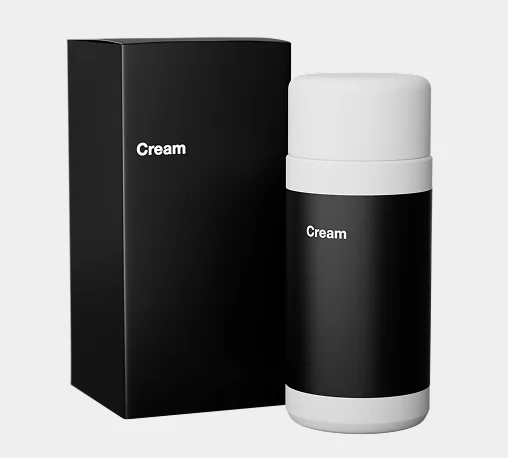

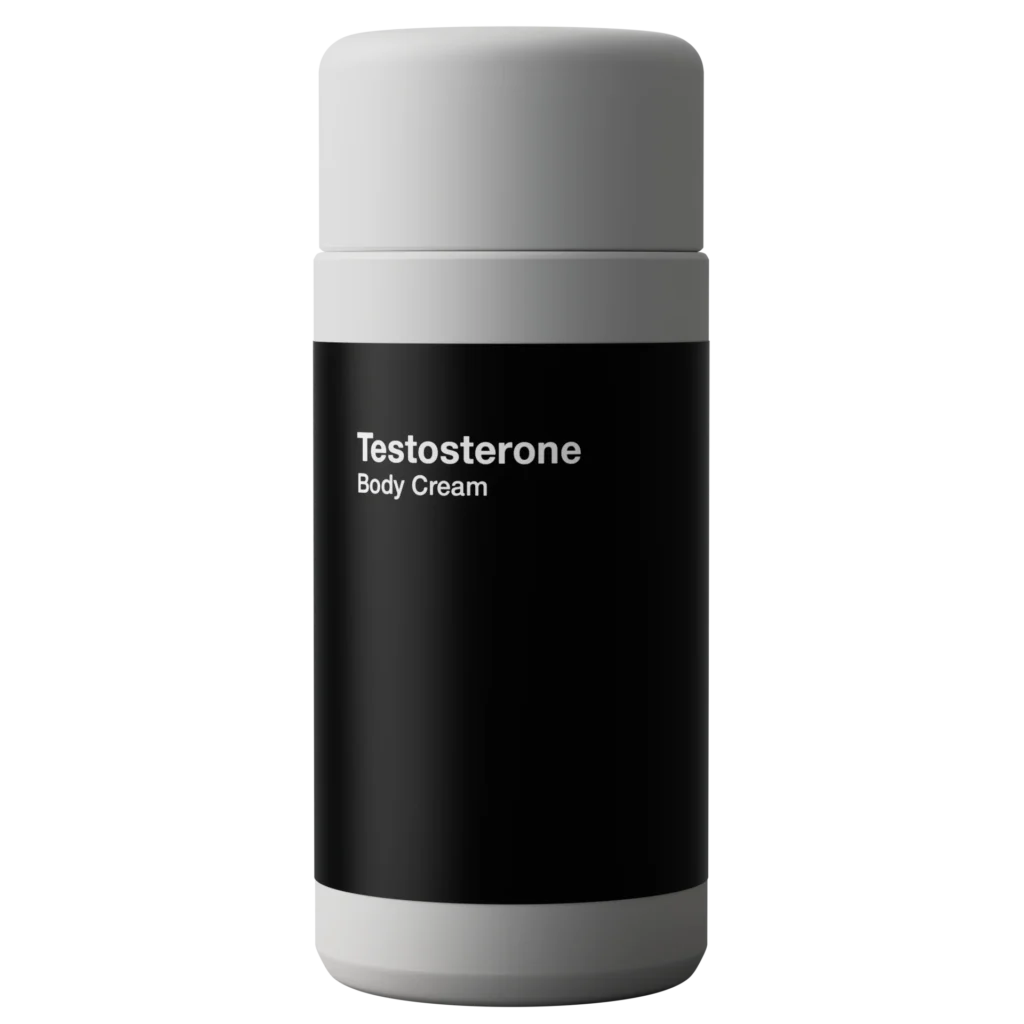
Testosterone Body Cream
Topical testosterone therapy designed to support healthy testosterone levels through transdermal absorption, helping promote hormonal balance, energy, muscle support, libido, and overall well-being.
Hormone Balance
Energy Support
Mood Support

Medical Approval Required: A provider will review your intake immediately after checkout. A pre-authorisation hold is placed on your payment method at checkout; if you are not approved, the hold is released and no payment is taken.
Benefits
Highlights
- FrontCare is available in all 50 states except Alabama, Mississippi and Alaska.
Some treatments have additional state restrictions, which are shown on the product page.
Your provider consultation is done by written review or video with your provider. Some medications require a live video consultation with your provider rather than a written review. If that applies to you, you will be guided after checkout. - Topical Testosterone Therapy – Needle-free TRT option
- No hidden membership, consultation, or shipping fees
- A licensed healthcare practitioner in your state will review your assessment and determine eligibility
Potential Benefits
Sexual Health & Libido Support
Testosterone plays a central role in male sexual desire and performance. Restoring testosterone levels may help improve libido, sexual interest, and overall sexual satisfaction.
Erectile Function Support
While testosterone does not directly cause erections, adequate testosterone levels support nitric oxide signaling, libido, and erectile quality—particularly in men with low testosterone.
Energy & Vitality
Low testosterone is commonly associated with fatigue and reduced stamina. Testosterone Cypionate may help improve energy levels, motivation, and overall vitality.
Muscle Mass & Body Composition
Testosterone supports lean muscle development and fat metabolism. TRT may help improve muscle strength, body composition, and physical performance when combined with appropriate nutrition and activity.
Mood & Cognitive Function
Healthy testosterone levels are associated with improved mood, mental clarity, focus, and emotional stability. TRT may help reduce symptoms such as irritability, low motivation, and brain fog.
Bone Density Support
Testosterone plays an important role in bone health. Long-term testosterone deficiency can contribute to decreased bone density, which TRT may help support.
Subscription Plan
- Monthly Billing or Every 3 Months
Order Fulfillment
Disclaimer
This compounded hormone therapy is customized based on a licensed healthcare provider’s prescription. These statements and the product have not been evaluated or approved by the Food and Drug Administration (FDA). This product is not intended to diagnose, treat, cure, or prevent any disease. Compounded medications are not FDA-approved, and their safety and efficacy have not been independently verified by the FDA. This information is provided for educational purposes only and should not be considered medical advice. Always consult a licensed healthcare provider before starting any new treatment.

Expand the questions below
Frequently Asked Questions
What is testosterone replacement therapy (TRT)?
Testosterone replacement therapy (TRT) is a medical treatment that may be prescribed by a licensed healthcare provider for men with clinically confirmed testosterone deficiency. Treatment decisions are based on clinical evaluation and laboratory testing.
Who may be considered for TRT?
Eligibility for testosterone therapy is determined by a licensed healthcare provider based on medical history, symptoms, physical evaluation, and laboratory results. TRT is prescribed only when clinically appropriate.
What forms of testosterone are available?
Testosterone may be prescribed in different dosage forms, including injectable, topical, or oral-dissolving formulations. The appropriate form is determined by the prescribing healthcare provider based on individual clinical considerations.
How is testosterone therapy administered?
Administration method and treatment plan are determined by a licensed healthcare provider. Specific instructions are provided as part of the individualized care plan.
How is dosing determined?
Dosage and treatment duration are individualized and based on laboratory testing, clinical response, and ongoing medical evaluation. Adjustments may be made over time as determined by the prescribing provider.
How is treatment monitored?
Patients receiving testosterone therapy require ongoing medical monitoring. This may include periodic laboratory testing and follow-up evaluations to assess safety and appropriateness of continued treatment.
Who should not use testosterone therapy?
Testosterone therapy is not appropriate for everyone. A licensed healthcare provider will review medical history and determine whether treatment is suitable. Certain medical conditions may require additional evaluation or specialist clearance.
Are there potential risks or side effects?
As with any prescription medication, testosterone therapy may be associated with risks or side effects. These are reviewed by the prescribing healthcare provider prior to treatment, and ongoing monitoring is required throughout therapy.
Can testosterone therapy be used with other medications?
All current medications and supplements should be disclosed during intake. A licensed healthcare provider will determine whether testosterone therapy is appropriate in combination with other treatments.
Should I inform my primary care provider?
Patients are encouraged to inform their primary care provider of any prescription hormone therapy to support coordinated and safe care.