Anastrozole Capsule


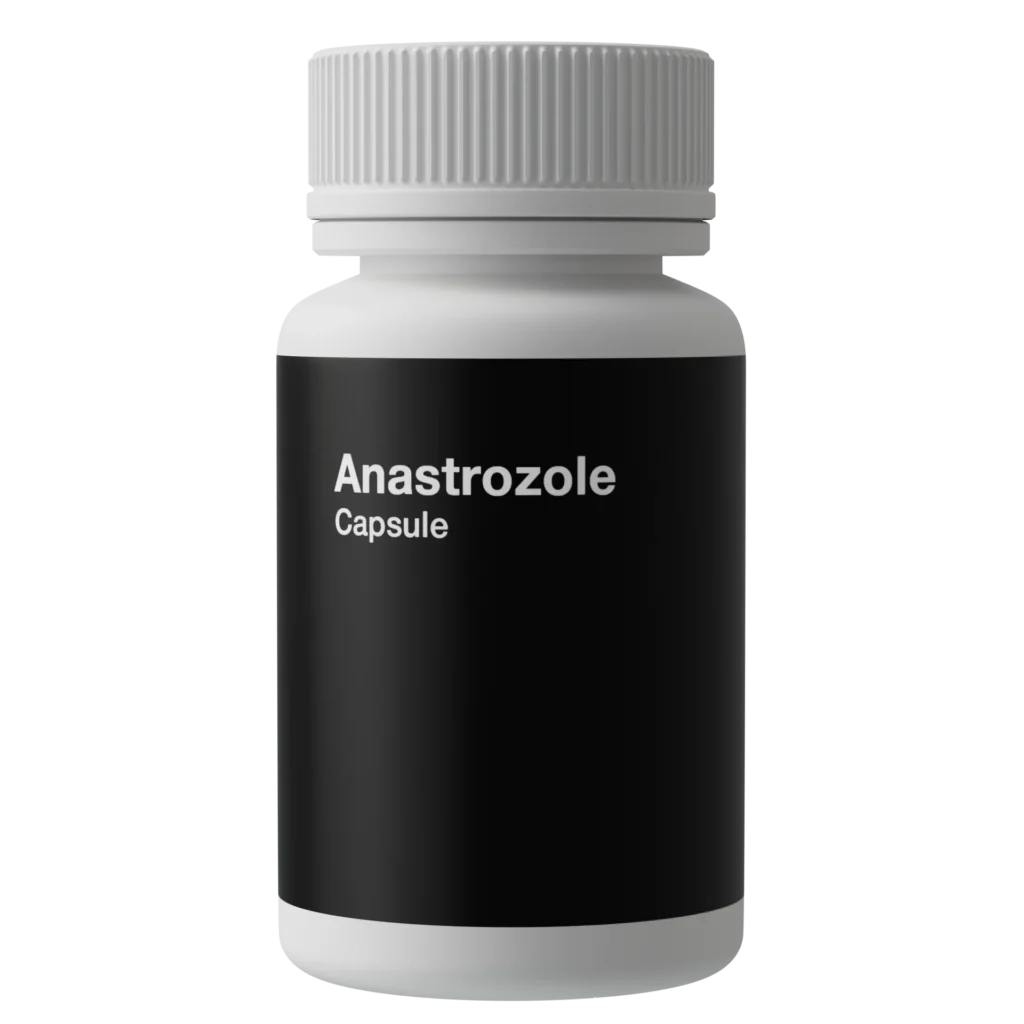
Anastrozole Capsule
Anastrozole helps manage estrogen levels in the body. It’s often used alongside testosterone therapy to support hormone balance and help reduce estrogen-related side effects.
Optimization
Regulation
Support

Medical Approval Required: A provider will review your intake immediately after checkout. A pre-authorisation hold is placed on your payment method at checkout; if you are not approved, the hold is released and no payment is taken.
Benefits
Highlights
- FrontCare is available in all 50 states except Alabama, Mississippi and Alaska.
Some treatments have additional state restrictions, which are shown on the product page.
Your provider consultation is done by written review or video with your provider. Some medications require a live video consultation with your provider rather than a written review. If that applies to you, you will be guided after checkout. - Oral Aromatase Inhibitor – Adjunct to TR
- Supports testosterone-to-estrogen balance
- No hidden membership, consultation, or shipping fees
- A licensed healthcare practitioner in your state will review your assessment and determine eligibilit
Potential Benefits
Aromatase Inhibition
Anastrozole is intended to inhibit the aromatase enzyme, which is involved in the conversion of testosterone to estradiol, under medical supervision.
Hormonal Regulation Processes
Estradiol plays a role in male hormonal regulation. Managing aromatization may support balanced hormone-related physiological processes.
Adjunct Use with Testosterone Therapy
Anastrozole may be prescribed as an adjunct to testosterone therapy when clinically indicated, based on individual evaluation.
Sex Hormone–Related Processes
Estrogen and testosterone are involved in physiological processes related to sexual function.
Neurological & Mood-Related Processes
Sex hormones are associated with neurological pathways that influence mood and emotional regulation.
Subscription Plan
- Monthly Billing or Every 3 Months
Order Fulfillment
Disclaimer
This product is prescribed by a licensed healthcare provider based on individual needs. Neither the product nor these statements have been evaluated or approved by the Food and Drug Administration (FDA). Compounded medications are not FDA-approved, and their safety or effectiveness has not been independently confirmed by the FDA. This product is not intended to diagnose, treat, cure, or prevent any disease. The information provided is for educational purposes only and should not be taken as medical advice.

Expand the questions below
Frequently Asked Questions
What is Anastrozole?
Anastrozole is a prescription oral medication that may be prescribed by a licensed healthcare provider. It is an aromatase inhibitor that affects the conversion of testosterone to estradiol and may be used as part of an individualized treatment plan when clinically appropriate.
Who may be considered for Anastrozole?
Eligibility for Anastrozole is determined by a licensed healthcare provider based on medical history, clinical evaluation, and laboratory testing. Treatment is prescribed only when clinically indicated.
How is Anastrozole administered?
Anastrozole is administered orally. The treatment plan and administration instructions are determined by a licensed healthcare provider based on individual clinical considerations
How is dosing determined?
Dosage, quantity, and treatment duration are individualized and determined by the prescribing healthcare provider based on laboratory results and ongoing clinical evaluation.
How is treatment monitored?
Patients receiving Anastrozole require ongoing medical monitoring, which may include periodic laboratory testing and follow-up evaluations to assess safety and appropriateness of continued treatment.
Who should not use Anastrozole?
Anastrozole is not appropriate for everyone. A licensed healthcare provider will determine suitability for treatment based on a comprehensive medical review. Certain medical conditions may require additional evaluation or specialist consultation.
Are there potential risks or side effects?
As with any prescription medication, Anastrozole may be associated with risks or side effects. These are reviewed by the prescribing healthcare provider prior to treatment, and ongoing monitoring is required during therapy.
Can Anastrozole be used with other medications?
All current medications and supplements should be disclosed during intake. A licensed healthcare provider will determine whether Anastrozole is appropriate in combination with other treatments.
Should I inform my primary care provider?
Patients are encouraged to inform their primary care provider of any prescription hormone-related therapy to support coordinated and safe care.