Glutathione Injection

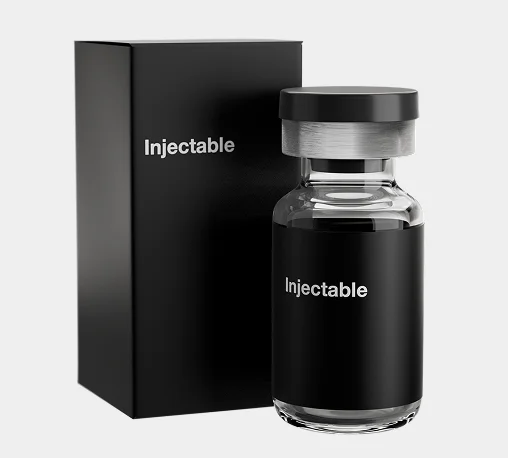

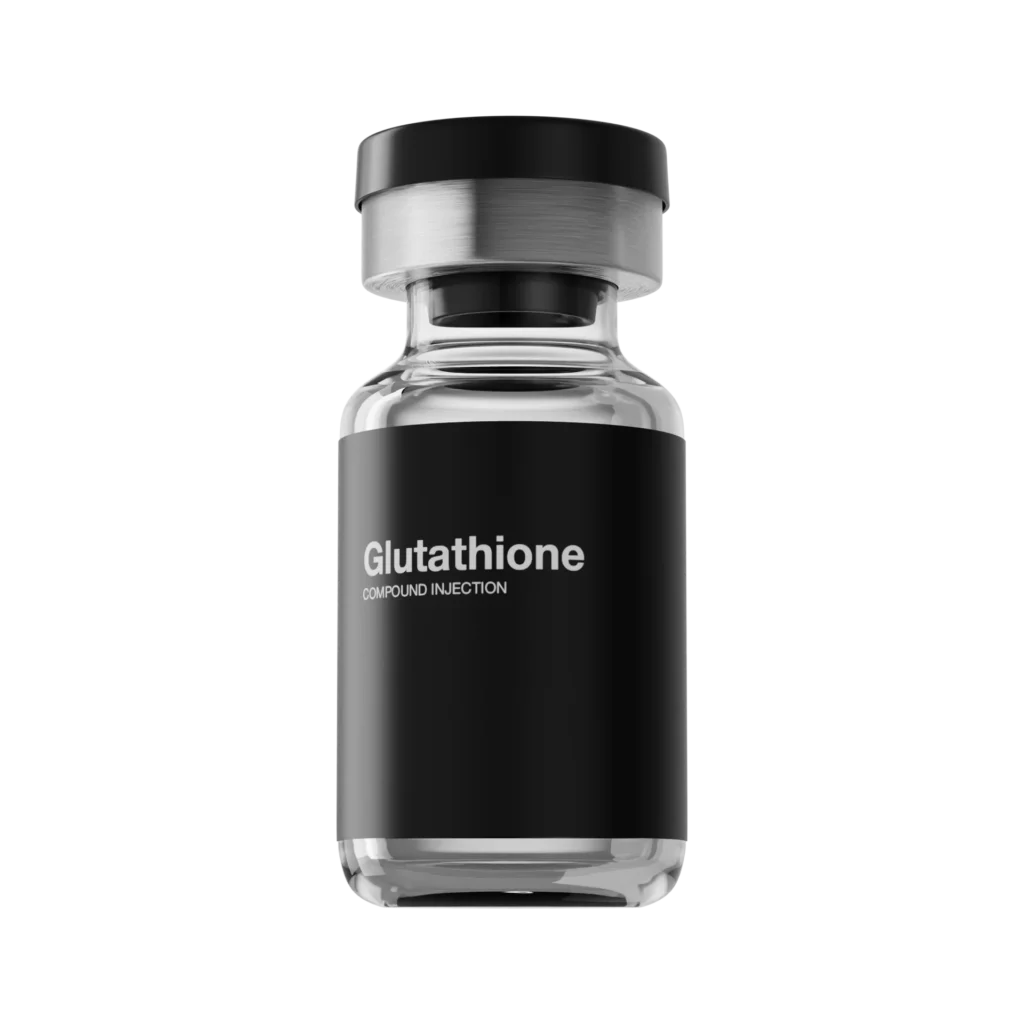
Glutathione Injection
Glutathione injections deliver powerful antioxidant support to aid detoxification, reduce oxidative stress, and strengthen immune function. By protecting cells from free radical damage, they help promote healthy aging while enhancing skin clarity and radiance—leaving you feeling energized, refreshed, and glowing from within.
Antioxidant
Skin, Nails, Hair Health
Cellular Repair

Medical Approval Required: A doctor consult will occur immediately after checkout for medical approval. If medical approval is denied you will be refunded automatically.
Benefits
Highlights
- Currently Not Available In: AK (We are working on expanding our coverage in the near future)
- No hidden membership, consultation, or shipping fees
- A licensed healthcare practitioner in your state will review your assessment and determine your eligibility.
Potential Benefits
Antioxidant Support
Known as the “master antioxidant,” glutathione neutralizes free radicals and reduces oxidative stress—major drivers of aging and age-related disease. By protecting DNA, proteins, and lipids, it supports cellular repair and promotes long-term cellular health.
Detoxification
Glutathione plays a critical role in liver health by neutralizing toxins and heavy metals. It also helps defend against environmental pollutants, aiding the body’s natural detoxification process and slowing aging at the cellular level.
Mitochondrial Health
Glutathione protects mitochondria from oxidative stress, ensuring efficient energy production and reducing age-related fatigue—helping sustain vitality over time.
Skin Health & Anti-Aging
Through its ability to reduce hyperpigmentation and inhibit melanin production, glutathione improves skin clarity and tone. It also helps preserve collagen and elastin, minimizing fine lines and wrinkles for visible anti-aging effects.
Cardiovascular Health
By reducing oxidative stress, glutathione protects blood vessels, supports circulation.
Subscription Plan
- Monthly Billing or Every 3 Months
Order Fulfillment
- Doctor review within 48 hours
- Processing can take 7 – 10 business days (subject to pharmacy partners)
- Once ready, shipping is via 2-day
Disclaimer
This product is prescribed by a licensed healthcare provider based on individual medical needs. Neither this product nor these statements have been evaluated or approved by the Food and Drug Administration (FDA). Compounded medications are not FDA-approved, and their safety and effectiveness have not been independently verified by the FDA. This product is not intended to diagnose, treat, cure, or prevent any disease. The information provided is for educational purposes only and should not be taken as medical advice.
Scientific Sources
1. Antioxidant Support
Study: Glutathione neutralizes free radicals and reduces oxidative stress, protecting cellular components and slowing biological aging.
Source: Meister, A., & Anderson, M. E. (1991). Glutathione. Biochemical Pharmacology, 51(5), 443-451. doi:10.1016/0006-2952(91)90156-G
Study: Declining glutathione levels with age increase oxidative damage and impact cellular health.
Source: Lang, C. A., Mills, B. J., Lang, H. L., et al. (2001). Glutathione and aging. Journal of Anti-Aging Medicine, 4(2), 133-144. doi:10.1089/rej.2001.4.133
2. Detoxification
Study: Glutathione supports liver detoxification by neutralizing toxins and heavy metals.
Source: Hayes, J. D., & McLellan, L. I. (1999). Glutathione and glutathione-dependent enzymes represent a co-ordinately regulated defence against oxidative stress. Free Radical Research, 31(4), 273-300. doi:10.1080/10715769900300851
Study: Glutathione protects against environmental toxins, preventing oxidative stress-induced damage.
Source: Valko, M., Rhodes, C. J., Moncol, J., et al. (2006). Free radicals, metals and antioxidants in oxidative stress-induced cancer. Chemico-Biological Interactions, 160(1), 1-40. doi:10.1016/j.cbi.2005.12.009
3. Immune System Optimization
Study: Glutathione enhances white blood cell activity, strengthening immune responses.
Source: Droge, W. (2002). Free radicals in the physiological control of cell function. Physiological Reviews, 82(1), 47-95. doi:10.1152/physrev.00018.2001
Study: Chronic low-grade inflammation (“inflammaging”) is reduced by glutathione.
Source: Franceschi, C., & Campisi, J. (2014). Chronic inflammation (inflammaging) and its potential contribution to age-associated diseases. The Journals of Gerontology: Series A, 69(Suppl 1), S4-S9. doi:10.1093/gerona/glu057
4. Mitochondrial Health
Study: Glutathione protects mitochondria from oxidative stress, ensuring energy production and function.
Source: Mailloux, R. J., McBride, S. L., & Harper, M. E. (2013). Unearthing the secrets of mitochondrial ROS and glutathione in bioenergetics. Trends in Biochemical Sciences, 38(12), 592-602. doi:10.1016/j.tibs.2013.09.001
Study: Mitochondrial dysfunction linked to aging can be mitigated by antioxidant support.
Source: Lopez-Otin, C., Galluzzi, L., Freije, J. M. P., et al. (2013). The hallmarks of aging. Cell, 153(6), 1194-1217. doi:10.1016/j.cell.2013.05.039
5. Skin Health and Anti-Aging
Study: Glutathione improves skin clarity by inhibiting melanin production, reducing hyperpigmentation.
Source: Weschawalit, S., Thongthip, S., Phongpruksa, T., et al. (2017). Glutathione and its antiaging and antimelanogenic effects. Clinical, Cosmetic and Investigational Dermatology, 10, 147-153. doi:10.2147/CCID.S127361
Study: Antioxidants like glutathione preserve collagen, reducing fine lines and wrinkles.
Source: Pullar, J. M., Carr, A. C., & Vissers, M. C. M. (2017). The roles of vitamin C in skin health. Nutrients, 9(8), 866. doi:10.3390/nu9080866
6. Neurological Health
Study: Glutathione protects brain cells from oxidative damage, reducing the risk of neurodegenerative diseases.
Source: Schulz, J. B., Lindenau, J., Seyfried, J., et al. (2000). Glutathione, oxidative stress and neurodegeneration. European Journal of Biochemistry, 267(16), 4904-4911. doi:10.1046/j.1432-1327.2000.01595.x
Study: Oxidative stress in the brain contributes to cognitive decline, mitigated by glutathione.
Source: Butterfield, D. A., & Halliwell, B. (2019). Oxidative stress, mitochondria, and Alzheimer’s disease. Journal of Neurochemistry, 151(2), 135-149.
7. Cardiovascular Health
Study: Glutathione reduces oxidative stress in blood vessels, improving vascular function.
Source: Ballatori, N., Krance, S. M., Notenboom, S., et al. (2009). Glutathione dysregulation and the etiology and progression of human diseases. Biological Chemistry, 390(3), 191-214. doi:10.1515/BC.2009.033
Study: Antioxidant activity helps lower inflammation and cardiovascular disease risk.
Source: Harrison, D., Griendling, K. K., Landmesser, U., et al. (2003). Role of oxidative stress in atherosclerosis. The American Journal of Cardiology, 91(3A), 7A-11A. doi:10.1016/s0002-9149(02)03144-2
8. Cancer Prevention
Study: Glutathione repairs DNA, protects cells from mutations, and reduces cancer risk.
Source: Traverso, N., Ricciarelli, R., Nitti, M., et al. (2013). Role of glutathione in cancer progression and chemoresistance. Oxidative Medicine and Cellular Longevity, 2013, Article ID 972913. doi:10.1155/2013/972913
Study: Antioxidants like glutathione eliminate carcinogens and support cancer prevention.
Source: Lushchak, V. I. (2011). Free radicals, reactive oxygen species, oxidative stress and its classification. Chemico-Biological Interactions, 192(1-2), 70-78. doi:10.1016/j.cbi.2010.07.012
Expand the questions below
Frequently Asked Questions
What is Glutathione?
Glutathione is a powerful tripeptide made up of three amino acids—glutamine, cysteine, and glycine. Often called the “master antioxidant,” it helps protect cells from damage caused by free radicals and toxins. Beyond its antioxidant role, glutathione supports liver detoxification, strengthens the immune system, boosts energy production, and promotes overall cellular health. Although naturally produced in the body, glutathione levels tend to decline with age, stress, poor nutrition, and environmental exposures. For this reason, supplementation has become a popular way to support health, vitality, and longevity.
Who can benefit from glutathione?
Glutathione is a powerful antioxidant that supports overall health and well-being. It plays a key role in cellular protection, liver detoxification, energy production, and immune function. Many individuals seek glutathione supplementation for its potential benefits in counteracting environmental toxins, managing stress, and supporting anti-aging goals such as skin health and post-activity recovery.
While glutathione has been studied for its health benefits, individual responses may vary. It should not be considered a cure or a replacement for medical treatment. Always consult with a licensed healthcare provider before beginning any new supplement, particularly if you have an existing health condition, are pregnant or nursing, or are taking other medications.
What are the contraindications or who is glutathione therapy not recommended for?
Glutathione therapy may not be appropriate for everyone and is not recommended in certain cases due to potential risks or interactions.
It is contraindicated for:
- Individuals with a known allergy to sulfur-containing compounds (as glutathione contains sulfur)
- Individuals taking immunosuppressants or undergoing chemotherapy, since glutathione may interfere with treatment effectiveness
- Individuals who are pregnant, breastfeeding, or planning to become pregnant, unless specifically approved by a healthcare provider
- Individuals with severe kidney or liver disease, unless closely monitored by a healthcare professional
Always consult with a licensed healthcare provider before beginning glutathione therapy to ensure it is safe and appropriate for your individual health needs.
What are the most common side effects of glutathione injections?
Glutathione injections are generally well-tolerated; however, as with any medication, some individuals may experience side effects. The most common include mild discomfort, redness, or swelling at the injection site. Less commonly, temporary headaches, nausea, or gastrointestinal upset may occur.
If you experience severe or persistent symptoms—such as difficulty breathing, swelling, or signs of an allergic reaction—seek medical attention immediately. Always consult your healthcare provider about potential risks and side effects before beginning treatment.
Can I use glutathione injections with other peptides, specifically NAD+?
Yes, glutathione injections may be used alongside other peptides, including NAD+, as part of a comprehensive wellness or longevity plan. Together, glutathione and NAD+ can complement one another by supporting cellular repair, energy production, and detoxification. However, this combination should only be used under the guidance of a licensed healthcare provider, who can evaluate your individual health profile and ensure safety and effectiveness. Always inform your provider of all medications and supplements you are taking before beginning any new therapy.
Will my prescription include syringes?
Yes. Your prescription comes complete with syringes and all the essentials you’ll need to begin your wellness journey with confidence.
Should I inform my primary care doctor if I am taking glutathione?
While a licensed medical professional will review your profile before prescribing glutathione, it is important to also consult your primary care provider. Because they are familiar with your complete medical history, your primary doctor can provide valuable insights and ensure safe, coordinated, and personalized care beyond what our service can offer.
Explore other products