Bimatoprost (Generic Latisse®)

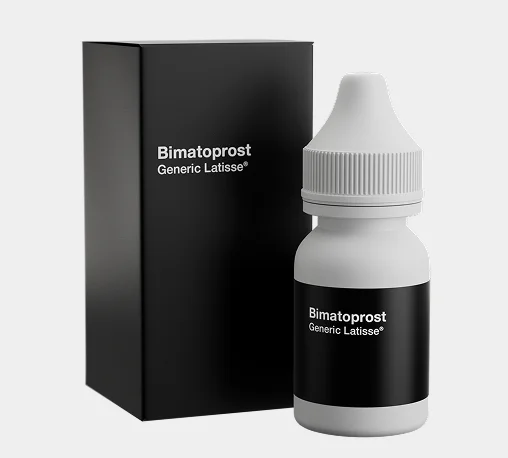

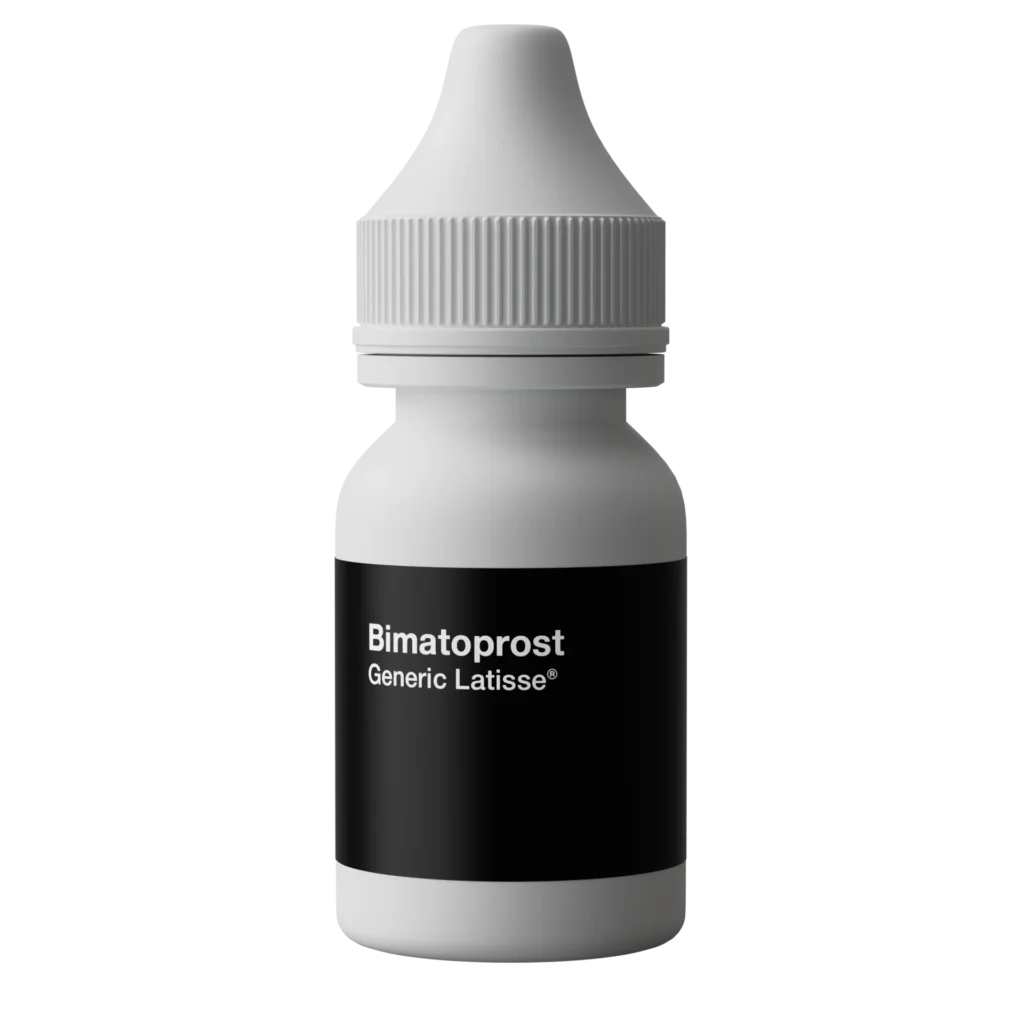
Bimatoprost (Generic Latisse®)
Bimatoprost (Generic Latisse®) Eyelash Solution helps promote longer, thicker, and darker-looking eyelashes. Applied along the lash line to support fuller, more defined lashes over time.
Length
Fullness
Definition

Medical Approval Required: A doctor consult will occur immediately after checkout for medical approval. If medical approval is denied you will be refunded automatically.
Benefits
Highlights
- Currently Not Available In: (State restrictions may apply – coverage expanding)
- Prescription Eyelash Treatment – Topical application
Supports eyelash growth and appearance - No hidden membership, consultation, or shipping fees
- A licensed healthcare practitioner in your state will review your assessment and determine eligibility
Potential Benefits
Eyelash Growth Support
Bimatoprost is commonly used to support eyelash growth, including increased length, thickness, and darkness over time when used as directed.
Follicle Activity Support
Bimatoprost influences the eyelash growth cycle by supporting follicle activity and extending the active growth phase.
Targeted Topical Application
The solution is applied directly to the upper lash line, allowing for localized treatment under provider guidance.
Cosmetic Appearance Support
This therapy may be used as part of a cosmetic or aesthetic care plan to support the appearance of fuller-looking eyelashes.
Adjunct to Aesthetic Care Plans
Bimatoprost may be used alongside other provider-recommended aesthetic or skincare treatments based on individual needs.
Subscription Plan
- Monthly Billing or Every 3 Months
Order Fulfillment
- Doctor review within 48 hours
- Processing can take 2–10 business days (subject to pharmacy partners)
- Once ready, shipping is via 2-day deliver
Disclaimer
This prescription product is provided based on a licensed healthcare provider’s evaluation. These statements and the product have not been evaluated or approved by the Food and Drug Administration (FDA). This product is not intended to diagnose, treat, cure, or prevent any disease. Prescription topical formulations are not FDA-approved for cosmetic use, and their safety and efficacy have not been independently verified by the FDA. This information is provided for educational purposes only and should not be considered medical advice. Always consult a licensed healthcare provider before starting any new treatment.
Expand the questions below
Frequently Asked Questions
What is Bimatoprost?
Bimatoprost is a prescription topical solution commonly used to support eyelash growth in individuals with sparse or inadequate eyelashes.
Who may be considered for Bimatoprost?
Use is determined by a licensed healthcare provider based on individual evaluation, medical history, and cosmetic goals. It may be considered for adults seeking prescription-grade eyelash enhancement under medical supervision.
How is Bimatoprost applied?
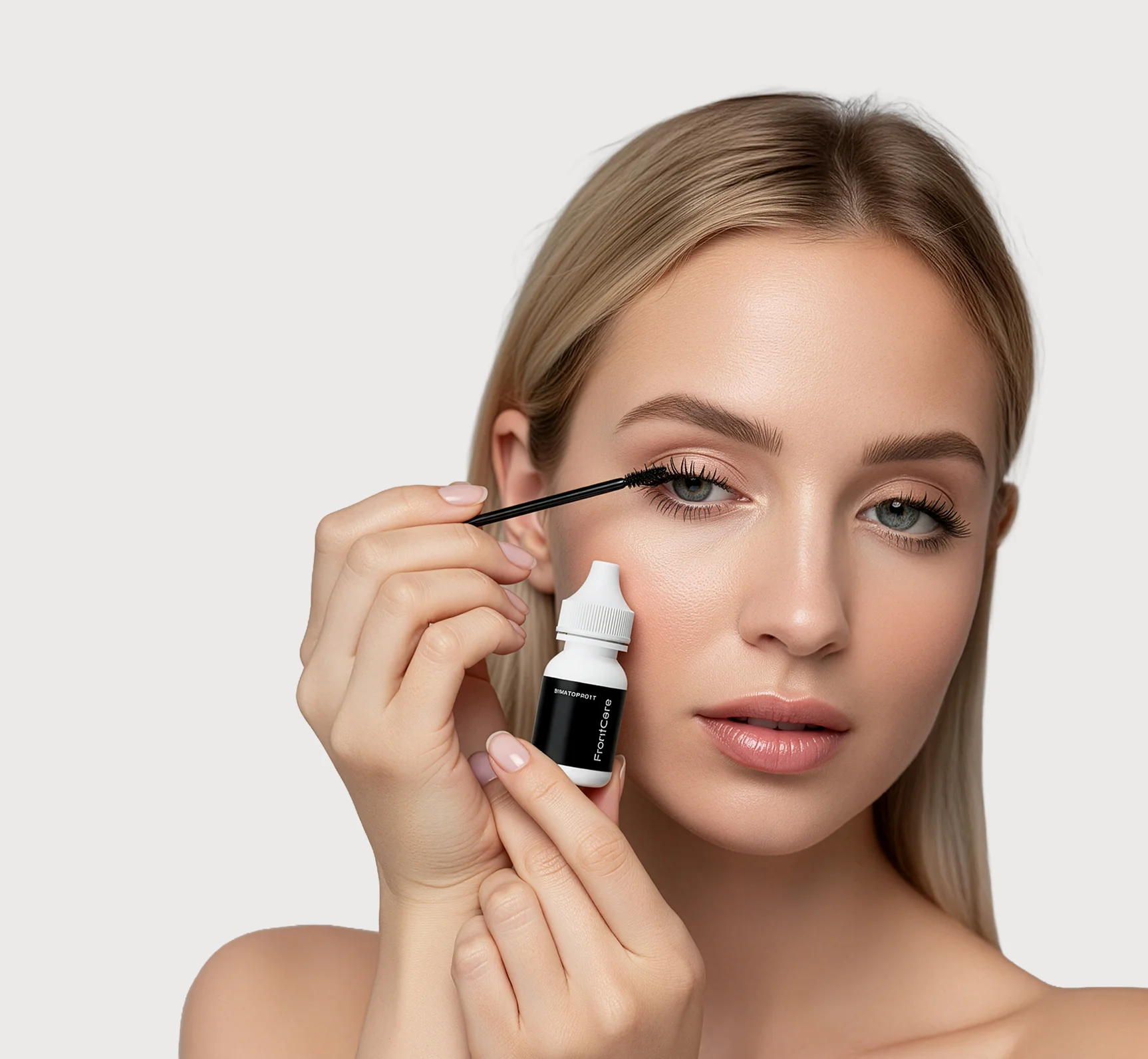
Bimatoprost is applied once daily to the skin of the upper eyelid margin using a sterile applicator, as directed by your healthcare provider. It should not be applied directly into the eye or to the lower eyelid.
How is dosing determined?
Application frequency and duration are determined by the prescribing provider based on response and tolerance.
Who should not use this product?
This product may not be appropriate for individuals with certain eye conditions, eye infections, glaucoma, or sensitivities to prostaglandin analogs. A full medical and ocular history review is required prior to prescribing.
Can this be used with other skincare or aesthetic products?
All skincare products, medications, and supplements should be disclosed during intake. A healthcare provider can help determine appropriate use alongside other treatments.
Should I inform my primary care provider or eye care provider?
Yes. Patients are encouraged to inform their primary care provider or eye care professional of any prescription eye or eyelash treatments to support coordinated and safe care.
Explore other products