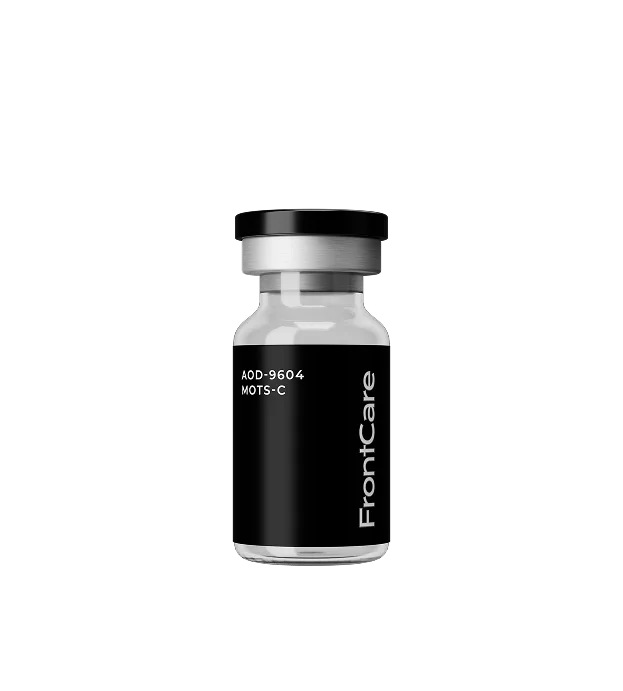
AOD-9604

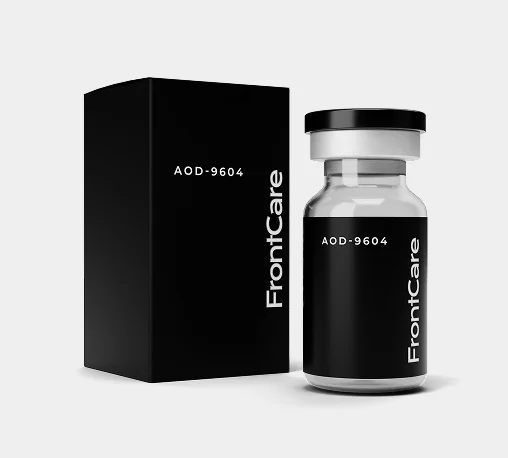

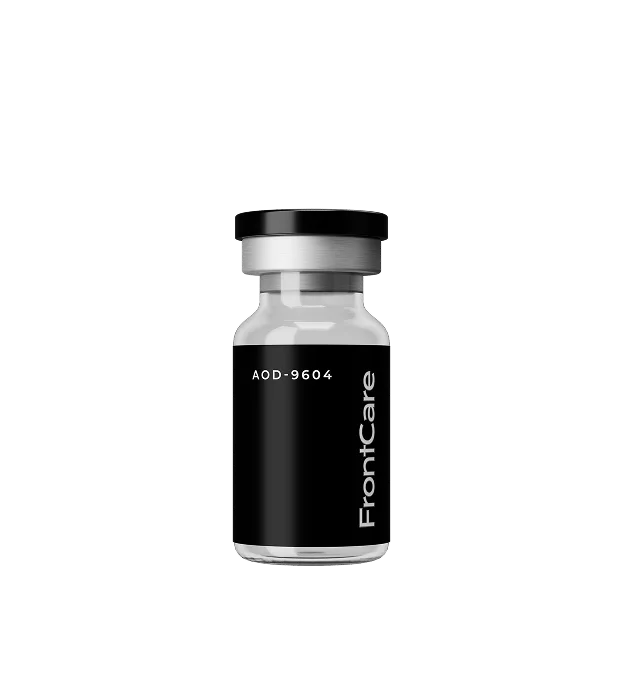
AOD-9604
AOD-9604 is a peptide designed to enhance fat metabolism by helping the body break down stored fat while supporting overall metabolic efficiency and body composition. It is commonly used as part of a structured weight management and wellness program.
Fat Loss
Metabolic Boost
Body Composition
Benefits
Highlights
Currently Not Available In: (State restrictions may apply – coverage expanding)
- Peptide-based metabolic support therapy
- Designed to support fat metabolism and body composition
- No hidden membership, consultation, or shipping fees
- Prescribed based on evaluation by a licensed healthcare provider
Potential Benefits
Fat Metabolism
Supports the body’s natural processes involved in the breakdown and utilization of stored fat. May assist in improving how the body accesses fat as an energy source as part of a structured program.
Body Composition
May support a gradual improvement in body composition by assisting in the reduction of stored fat while helping maintain lean muscle mass when combined with proper nutrition and resistance training.
Metabolic Efficiency
Supports normal metabolic activity, which may contribute to more efficient energy use and overall metabolic balance.
Weight Management Support
Often incorporated into physician-guided weight management programs to support sustainable progress when paired with nutrition, movement, and lifestyle modifications.
Energy Utilization
May support more efficient energy utilization throughout the day as metabolic processes become more balanced.
Complementary Use
Can be used alongside other therapies or wellness protocols under the guidance of a healthcare provider to support a comprehensive approach.
Subscription Plan
- Monthly Billing or Every 3 Months
Order Fulfillment
- Provider review within 24–48 hours
- Processing time: 2–10 business days (based on pharmacy partner)
- Once ready, shipped via expedited delivery
Disclaimer
This treatment is provided based on a licensed healthcare provider’s evaluation. These statements have not been evaluated by the Food and Drug Administration (FDA). This product is not intended to diagnose, treat, cure, or prevent any disease. This information is provided for educational purposes only and should not be considered medical advice. Always consult a licensed healthcare provider before starting any new treatment.
Scientific Sources
1. Antioxidant Support
Study: Glutathione neutralizes free radicals and reduces oxidative stress, protecting cellular components and slowing biological aging.
Source: Meister, A., & Anderson, M. E. (1991). Glutathione. Biochemical Pharmacology, 51(5), 443-451. doi:10.1016/0006-2952(91)90156-G
Study: Declining glutathione levels with age increase oxidative damage and impact cellular health.
Source: Lang, C. A., Mills, B. J., Lang, H. L., et al. (2001). Glutathione and aging. Journal of Anti-Aging Medicine, 4(2), 133-144. doi:10.1089/rej.2001.4.133
2. Detoxification
Study: Glutathione supports liver detoxification by neutralizing toxins and heavy metals.
Source: Hayes, J. D., & McLellan, L. I. (1999). Glutathione and glutathione-dependent enzymes represent a co-ordinately regulated defence against oxidative stress. Free Radical Research, 31(4), 273-300. doi:10.1080/10715769900300851
Study: Glutathione protects against environmental toxins, preventing oxidative stress-induced damage.
Source: Valko, M., Rhodes, C. J., Moncol, J., et al. (2006). Free radicals, metals and antioxidants in oxidative stress-induced cancer. Chemico-Biological Interactions, 160(1), 1-40. doi:10.1016/j.cbi.2005.12.009
3. Immune System Optimization
Study: Glutathione enhances white blood cell activity, strengthening immune responses.
Source: Droge, W. (2002). Free radicals in the physiological control of cell function. Physiological Reviews, 82(1), 47-95. doi:10.1152/physrev.00018.2001
Study: Chronic low-grade inflammation (“inflammaging”) is reduced by glutathione.
Source: Franceschi, C., & Campisi, J. (2014). Chronic inflammation (inflammaging) and its potential contribution to age-associated diseases. The Journals of Gerontology: Series A, 69(Suppl 1), S4-S9. doi:10.1093/gerona/glu057
4. Mitochondrial Health
Study: Glutathione protects mitochondria from oxidative stress, ensuring energy production and function.
Source: Mailloux, R. J., McBride, S. L., & Harper, M. E. (2013). Unearthing the secrets of mitochondrial ROS and glutathione in bioenergetics. Trends in Biochemical Sciences, 38(12), 592-602. doi:10.1016/j.tibs.2013.09.001
Study: Mitochondrial dysfunction linked to aging can be mitigated by antioxidant support.
Source: Lopez-Otin, C., Galluzzi, L., Freije, J. M. P., et al. (2013). The hallmarks of aging. Cell, 153(6), 1194-1217. doi:10.1016/j.cell.2013.05.039
5. Skin Health and Anti-Aging
Study: Glutathione improves skin clarity by inhibiting melanin production, reducing hyperpigmentation.
Source: Weschawalit, S., Thongthip, S., Phongpruksa, T., et al. (2017). Glutathione and its antiaging and antimelanogenic effects. Clinical, Cosmetic and Investigational Dermatology, 10, 147-153. doi:10.2147/CCID.S127361
Study: Antioxidants like glutathione preserve collagen, reducing fine lines and wrinkles.
Source: Pullar, J. M., Carr, A. C., & Vissers, M. C. M. (2017). The roles of vitamin C in skin health. Nutrients, 9(8), 866. doi:10.3390/nu9080866
6. Neurological Health
Study: Glutathione protects brain cells from oxidative damage, reducing the risk of neurodegenerative diseases.
Source: Schulz, J. B., Lindenau, J., Seyfried, J., et al. (2000). Glutathione, oxidative stress and neurodegeneration. European Journal of Biochemistry, 267(16), 4904-4911. doi:10.1046/j.1432-1327.2000.01595.x
Study: Oxidative stress in the brain contributes to cognitive decline, mitigated by glutathione.
Source: Butterfield, D. A., & Halliwell, B. (2019). Oxidative stress, mitochondria, and Alzheimer’s disease. Journal of Neurochemistry, 151(2), 135-149.
7. Cardiovascular Health
Study: Glutathione reduces oxidative stress in blood vessels, improving vascular function.
Source: Ballatori, N., Krance, S. M., Notenboom, S., et al. (2009). Glutathione dysregulation and the etiology and progression of human diseases. Biological Chemistry, 390(3), 191-214. doi:10.1515/BC.2009.033
Study: Antioxidant activity helps lower inflammation and cardiovascular disease risk.
Source: Harrison, D., Griendling, K. K., Landmesser, U., et al. (2003). Role of oxidative stress in atherosclerosis. The American Journal of Cardiology, 91(3A), 7A-11A. doi:10.1016/s0002-9149(02)03144-2
8. Cancer Prevention
Study: Glutathione repairs DNA, protects cells from mutations, and reduces cancer risk.
Source: Traverso, N., Ricciarelli, R., Nitti, M., et al. (2013). Role of glutathione in cancer progression and chemoresistance. Oxidative Medicine and Cellular Longevity, 2013, Article ID 972913. doi:10.1155/2013/972913
Study: Antioxidants like glutathione eliminate carcinogens and support cancer prevention.
Source: Lushchak, V. I. (2011). Free radicals, reactive oxygen species, oxidative stress and its classification. Chemico-Biological Interactions, 192(1-2), 70-78. doi:10.1016/j.cbi.2010.07.012
Expand the questions below
Frequently Asked Questions
What is AOD-9604?
AOD-9604 is a peptide derived from a segment of growth hormone that is designed to support fat metabolism and body composition.
Who may be considered for AOD-9604?
Eligibility is determined by a licensed healthcare provider based on individual health goals, history, and overall suitability.
How is AOD-9604 administered?
AOD-9604 is typically administered via subcutaneous injection, based on a provider-guided protocol.
How is dosing determined?
Dosing is individualized based on patient needs, treatment goals, and provider assessment.
Can AOD-9604 be combined with other therapies?
Yes, it may be incorporated into a broader wellness or weight management plan under medical supervision.
Are there any restrictions?
Availability and prescribing may vary by state and individual eligibility.
Should I inform my primary care provider?
Yes. Patients are encouraged to inform their primary care provider of any treatments they are using.
Explore other products